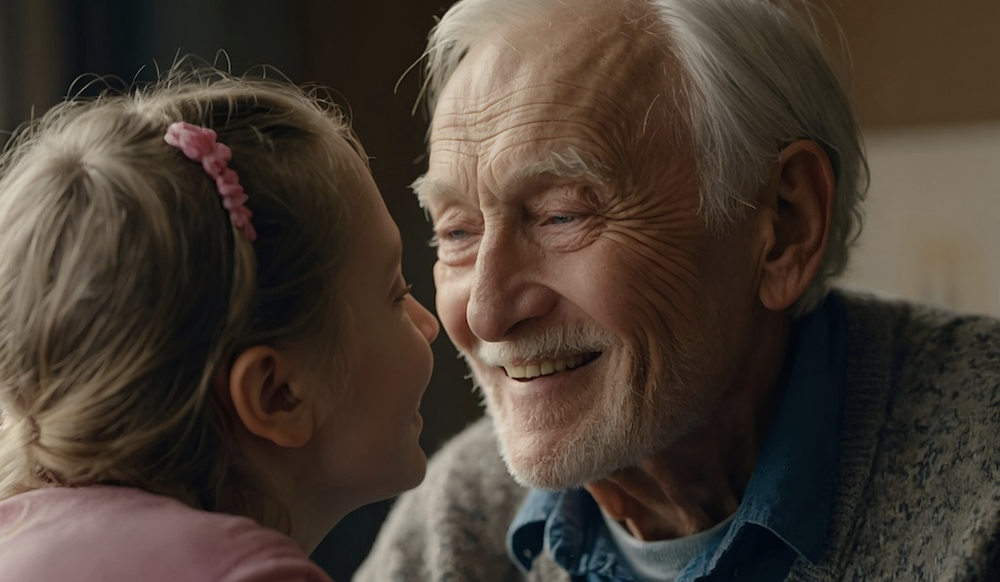
Memory loss is more than simple forgetfulness. It can be an underlying symptom of a more pronounced medical condition which degrades the person’s ability to recall long or/and short term memories. Understanding the nuances of memory loss is a first step in coping with the condition in a loved one.
Memory loss can manifest in various ways.
It may begin with misplacing items, like keys or a wallet. It may expand to forgetting names of friends. It can progress to more significant challenges like difficulty recognizing loved ones or navigating routine tasks.
Symptoms often occur along a spectrum, from early-stage mild cognitive impairment (MCI) to more advanced conditions like dementia or Alzheimer’s disease.
At each stage, frustration can mount in both the loved one suffering and the loved ones coping.
Let’s look at the main types of memory loss conditions:
Alzheimer’s Disease: A progressive disorder and the most common cause of dementia, characterized by a gradual decline in memory, thinking, and reasoning skills.
Vascular Dementia: Memory loss resulting from reduced blood flow to the brain, often caused by strokes or other cardiovascular issues.
Lewy Body Dementia: A condition marked by cognitive changes, visual hallucinations, and movement difficulties.
Other Reversible Causes: In some cases, memory loss may stem from treatable conditions such as vitamin deficiencies, infections, or medication side effects.
When we understand the underlying cause, we can begin to navigate challenges such as social and family support all the way through to memory care facility decisions.
As noted previously, memory loss doesn’t only affect the individual, it deeply impacts family members, friends, and caregivers. Watching a loved one struggle with memories can trigger a range of emotions, including sadness, frustration, and a sense of helplessness. Grieving the person they once were, even while they’re still present, is a common and painful experience known as anticipatory grief.
The unpredictability of memory loss often leads to feelings of exhaustion. Acknowledging and processing these emotions is a key component to finding peace for all involved. When you aren’t a trained memory care caregiver, challenges can be much more pronounced.
We’ve explored what we need to know, now let’s understand what we need to do.
Learning about the person’s condition is the initial driving force in coping. To do this, you’ll need to begin with a list of online resources.
The Alzheimer’s Association provides comprehensive information on Alzheimer’s disease, including its symptoms, causes, and stages. The Mayo Clinic offers detailed insights into vascular dementia, covering its symptoms, causes, and treatment options. The Alzheimer’s Association also has resources on Lewy body dementia, discussing its symptoms and how it differs from other types of dementia. The Mayo Clinic provides information on frontotemporal dementia, including its signs and progression.
These resources can help you gain a deeper understanding of the specific condition affecting your loved one. And that is ultimately the starting point in your journey to better help and reconcile the ongoing condition.
In most life situations, communication finds its way to the center. The ability to practice patient, empathetic communication under duress is a primary step in helping yourself and your loved one. But alas, that’s easier said than done. When a loved one is exhibiting memory loss, it can bring out emotions and, most notably, frustrations. And this can create a pattern, or a bad loop, that has you communicating and responding in less than ideal ways to your loved one.
To break this cycle, it’s essential to focus on adjusting your expectations and embracing their reality. Avoid correcting them when they forget details or mix up stories; instead, meet them where they are. For example, if they bring up a memory inaccurately, gently go along with the conversation rather than insisting on correcting them. This approach not only reduces stress for your loved one but also helps maintain a sense of connection and respect in your interactions. Over time, these small adjustments can foster a more supportive and positive environment for both of you.
All of this can feel like a profound loss. Due to this, shifting focus to the now is critical.
Living in the here and now helps you appreciate the time you have together, however fleeting or imperfect it may feel.
This could involve participating in activities such as listening to their favorite music, flipping through photo albums together, or taking a walk.
Most importantly, being present requires letting go of expectations for how interactions “should” go.
For families exploring additional support options, communities like Parc at Harbor View in Winthrop, MA offer programs and activities tailored for loved ones suffering from memory loss conditions.
Learning to live in the moment can also be a source of relief for you as a family member. By setting aside worries about the future or regrets about the past, you can embrace the simple, meaningful exchanges that memory loss doesn’t erase.